

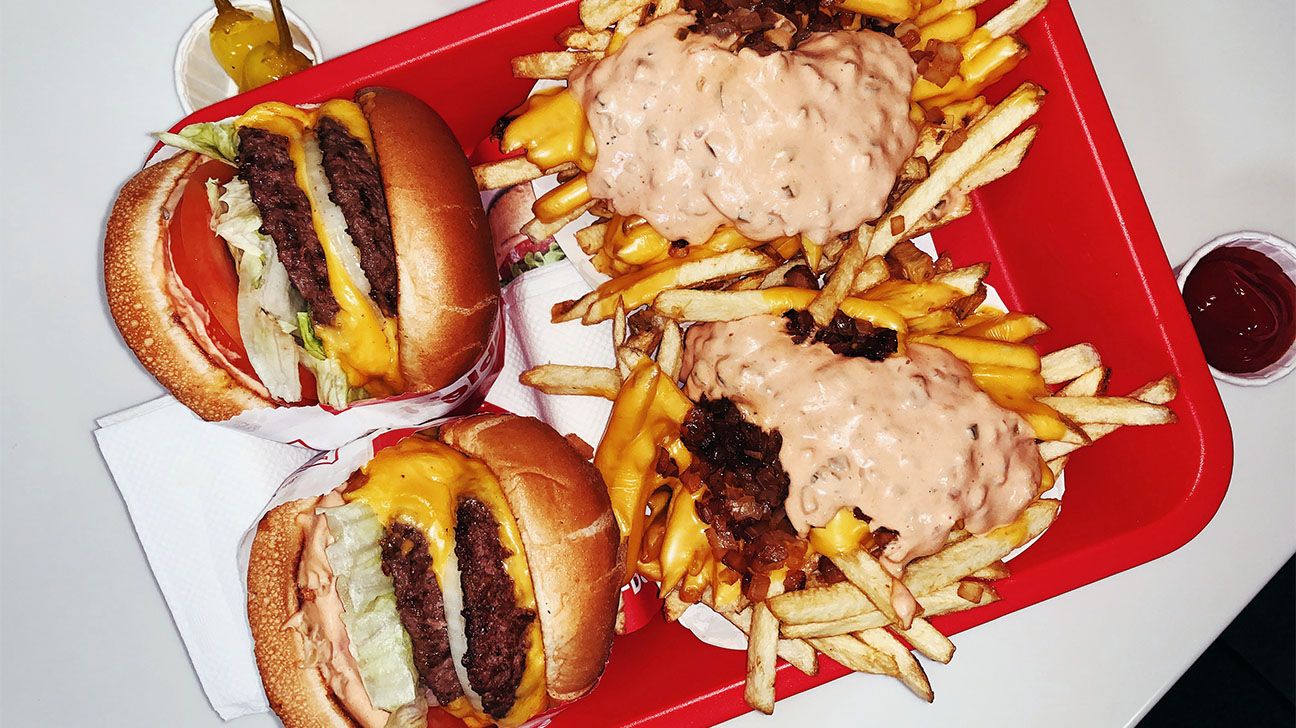
- A new review determined that ultraprocessed foods (UPFs) may be just as habit-forming as cigarettes.
- Scientists found that UPFs are engineered to boost pleasure and speed up the delivery of reinforcing components.
- The “addictive” nature of these foods means they drive uncontrollable eating and interfere with natural hunger cues.
- The review authors propose that UPFs should be governed by policies comparable to those for cigarettes.
Right now, there is no single universal definition of UPFs. Some people classify them as foods that include ingredients you are unlikely to have in a domestic pantry, such as emulsifiers and artificial substances.
Many professionals employ the NOVA classification to classify UPFs. This describes foods that contain “formulations of components, mostly of manufacturing origin, usually made by a series of factory processes and processes.”
A fresh analysis featured in The Millbank Quarterly proposed that ultraprocessed foods could be as addictive as cigarettes.
“I concur with these findings, as UPFs are deliberately designed to be highly appealing to the majority of people,” stated a weight loss specialist not affiliated with the research.
A study from 2023 calculates that more than 73% of the food supply in the America are ultraprocessed.
“Cigarettes and ultraprocessed foods are not just natural products but highly engineered consumable products engineered deliberately to maximize biological and psychological reinforcement and repeated intake,” explained the review’s scientists.
Can Ultraprocessed Foods Habit-Forming?
The review combined data from addiction, public health history, and nutrition to highlight sensory and structural qualities that boost the rewarding nature of both cigarettes and UPFs.
“It’s not all people is ‘addicted’’ to these foods, but for a sizable group, they trigger classic addiction-like behaviors: strong cravings, loss of control, and continued use despite negative health effects,” said a heart health nutrition expert.
“These foods are purposely formulated with refined carbs, added fats, salt, and taste additives to optimize pleasure and repeat consumption, and the industry employs persuasive advertising strategies, particularly aimed at young people,” she added.
The researchers focused on five key areas:
- rapid absorption
- pleasure-based design, or creating products to be irresistibly good
- perfecting the amount
- widespread availability
- deceptive reformulation, or “health washing”
It was observed that, like tobacco, ultraprocessed foods are fine-tuned to deliver the right dose of sugar.
“Refined carbohydrates stimulate dopamine production through the vagus nerve, whereas lipids achieve this via fat detection in the gut,” the authors wrote.
“… UPFs with high levels of processed carbs and added fats are some of the most potently rewarding foods in the contemporary food supply. It is key that this processed carb and fat mix is virtually absent in nature.”
How such products rapidly deliver “feel-good” chemicals to the brain makes them potentially addictive, in a comparable way to tobacco.
The paper stated that while cigarettes are engineered to provide nicotine rapidly, ultraprocessed foods are engineered to be broken down and absorbed quickly, as they typically have little to no dietary fiber. This makes it easier for the body to metabolize lipids and carbohydrates more quickly.
Authors also explain that ultraprocessed foods give deliberate intense tastes that fade quickly and textures that melt in your mouth. This collectively works to trigger increased pleasure signals and prompts you to eat more.
‘Health Washing’ in Cigarettes, UPFs
Based on the review, both the cigarette and food sectors have long used a strategy called “wellness branding.”
This refers to where products are marketed and altered to create an perception of less danger while maintaining the core addictive qualities.
Health washing in the cigarette sector gained traction in the 1950s with the advent of filter tips on cigarettes.
They were sold as protective innovations that would catch harmful substances before they entered the respiratory system. In reality, these tips provide little meaningful protection.
Yet, people often adjusted by taking bigger puffs or increasing consumption, which offset any decrease in harmful intake.
Food manufacturers has adopted a comparable approach. It employs packaging claims such as “low fat” or “sugar-free” to market ultraprocessed foods.
Yet, these foods still contain the very addictive formulations. The issue is that these reformulations offer a superficial appearance of health while the product’s habit-forming nature and metabolic harms remain intact.
Should UPFs Be Regulated?
The authors noted at the conclusion of their paper that food and smoking products are not the same thing.
Nevertheless, they warned that some UPFs act like highly optimized consumables rather than real nourishment. They proposed that public health policy should reflect this reality.
“Tobacco offers a cautionary tale, and smoking regulations offers a source of hope,” the researchers wrote.
Because of policies, smoking levels in the US have fallen and have “altered public perception of tobacco and diminished trust in the industry.”
“I believe greater education about the harmful effects of ultra-processed foods is crucial to lower public intake and enhance public health. The strategies used to curb cigarette consumption have been effective and may be a useful model for UPFs as well,” commented one expert.
“It is not my view ultraprocessed foods ought to be regulated exactly like cigarettes, but they do warrant stronger, tobacco-inspired policies: marketing restrictions, clear packaging warnings, tighter rules on health claims, and limits in schools or hospitals,” added another nutrition professional.
The researchers reminded people that minimally processed and unprocessed foods have supported our well-being for thousands of years.


